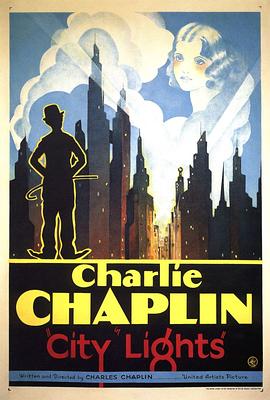
他是一个流浪汉(查理·卓别林 Charles Chaplin 饰),身无分文,遇上了双目失明的卖花女,却不忍袖手旁观。他想尽办法去凑够费用,供卖花女治病。一天,他搭救了一个富翁,富翁当晚和他称兄道弟,第二天却翻脸不认人。本来打算向他求助的主意行不通了。流浪汉去参加拳击比 赛,以图获得奖金,却输得一败涂地。谁知这时重遇富翁,二人不计前嫌,富翁答应出钱资助卖花女。在交给流浪汉1000元后,富翁遭到偷袭,身上剩下的钱被强盗抢走。流浪汉奋不顾身去追赶,却因为误会被警察押回警局坐牢。另一方面,卖花女凭借流浪汉的资助重获光明,开了一家体面的花店。
Didier Konings’ simmering mediaeval horror Witte Wieven explores the confluence of religion and patriarchy in an excessively puritanical Dutch village. Blamed by her community for being childless, Frieda immerses herself in prayer and ritual. When she returns unscathed from the forbidden forest surrounding the village, having evaded a lecherous butcher, she is condemned as an agent of the devil. Frieda, however, finds new faith in the dark powers that inhabit the woods.
Shot in a reduced colour palette at the edge of visibility, Konings’ gripping film constructs a convincing pre-modern society whose practices it elucidates with patience and attention. Although set in the Middle Ages, Witte Wieven displays an unmistakably contemporary spirit, crafting a feminist parable about women discovering new ways of understanding their lives and the world.
The film is inspired by the true-to-life story of the discovery of the long-lost “Opus 28” manuscript from Norwegian composer Johan Halvorsen, originally performed in 1909 by Canadian violinist Kathleen Parlow, to whom the piece was dedicated.
Campbell portrays a student who seeks to complete her thesis on Parlow by organizing a public performance of “Opus 28” from Toronto to Oslo. The cast includes Dueñas, Melanie Scheiner, Eve Duranceau, Maxim Gaudette, Rosa-Johan Uddoh, and Eileen Davies.
Debt-ridden pacifist Richard Fyre is propositioned to return to his abandoned mercenary ways by flamboyant zealot, Priest, to eliminate his international competition in exchange for a clean slate.
 剧情介绍
剧情介绍
 猜你喜欢
猜你喜欢


 热播榜
热播榜
 最近更新
最近更新
 友情链接
友情链接